Professor Wang Shitao of DMU Law School attends the 15th China-Japan Public Law Seminar
From November 9 to 10, 2019, Professor Wang Shitao of DMU Law School was invited to attend the 15th China-Japan Public Law Seminar held in Shimane University, Japan. The seminar includes two sessions, Constitutional Law and Administrative law. Scholars from China and Japan had in-depth exchanges on the issues of constitutionality review, protection of environmental rights in the Constitution, administration according to law and the principle of legal reservation, legal protection of citizens' right to health, and whether administrative organs in administrative contracts can act as plaintiffs in administrative litigation.
According to the agenda of the seminar, Professor Wang Shitao was invited to comment on the speeches delivered by five Chinese and Japanese constitutional law scholars. In his commentary on “The Historical Development of Constitutional Review in China” by Professor Wang Lei of Peking University Law School, Professor Wang Shitao pointed out that we should not be blindly faithful to the "judicialization of the Constitution", which was already realized in Japan after the World War II, but the number of constitutional review cases in the following decades was only in single digits. It should be noted that the unconstitutional review system is influenced by politics. The reason why it is called constitutional review in China rather than unconstitutional review is that "constitutional review" is more in line with China's constitutional system and power relationship model. Because different from the checks and balances among the three powers in the west countries, China has adopted a cooperative and integrated system. The Constitution and Law Committee established in 2018 did not strictly distinguish between constitutional review and legitimacy review, and a large number of so-called constitutional review cases in practice are only legitimacy review.
Professor Wang Shitao's participation in the seminar promoted the academic exchanges of public law between China and Japan, and expanded the international influence, especially the discipline of public law, of DMU Law School.
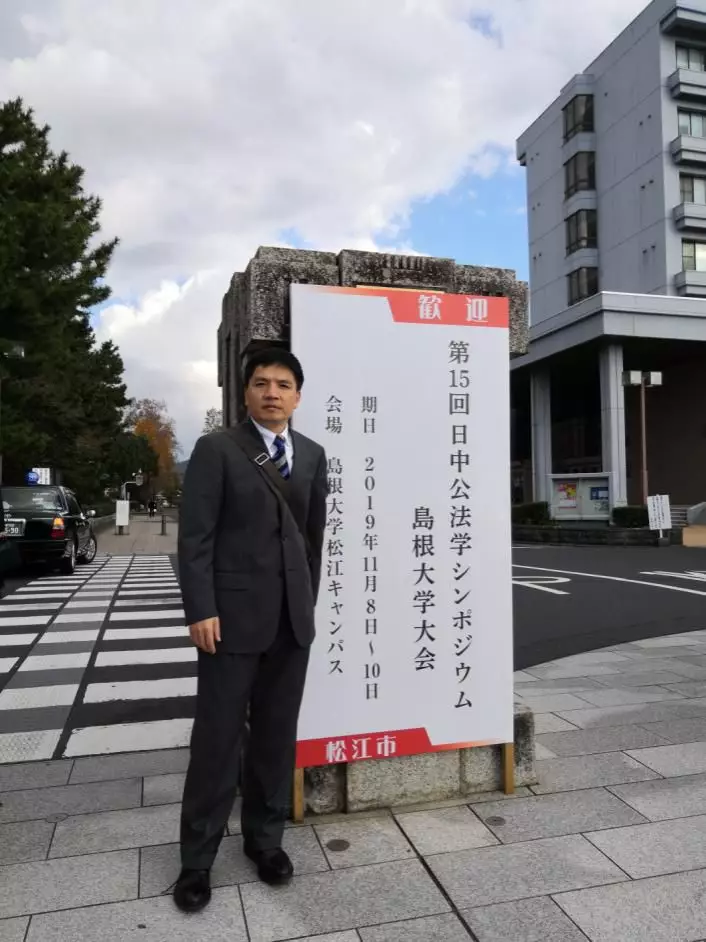
2019年11月9—10日,williamhill英国王世涛教授应邀出席了在日本岛根大学举办的第15届中日公法研讨会。本届会议分为宪法和行政法两个专题,中日公法学者就日本的违宪审查与中国的合宪性审查、宪法的环境权保护、依法行政与法律保留原则、公民健康权法律保护、行政契约中行政机关可否作为原告提起行政诉讼等问题进行了深入的交流。
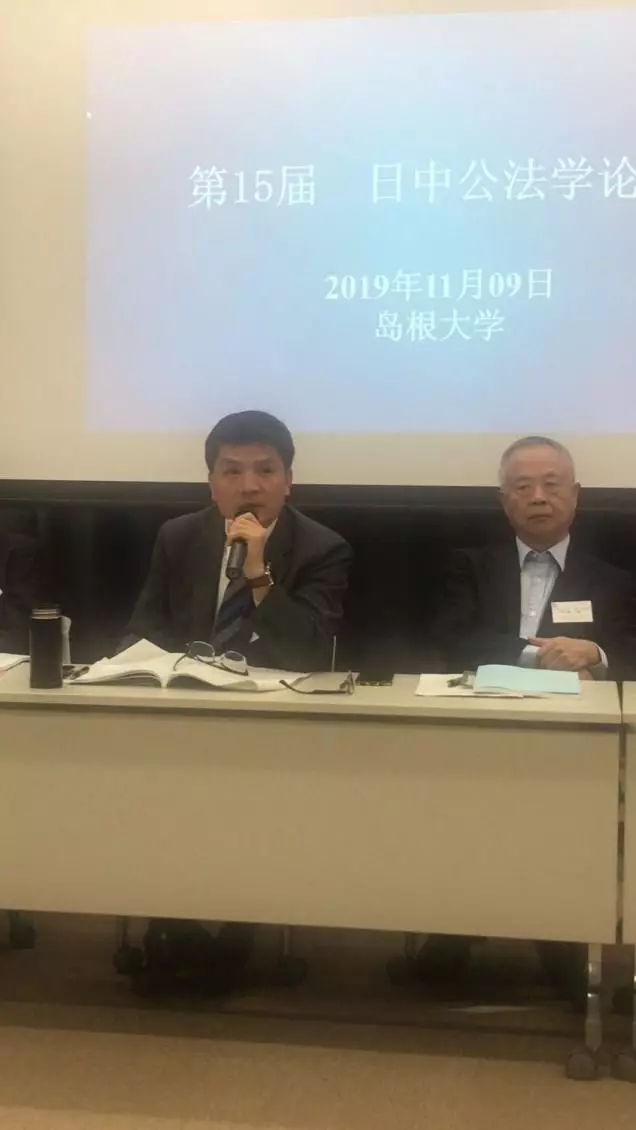
按照会议议程,在会议的宪法专题中,王世涛教授应邀对五位中日宪法学者的发言进行了评议。在对北京大学williamhill英国王磊教授关于中国合宪性审查的历史发展一文的点评中,王世涛教授指出:不应迷信“宪法的司法化”,日本二战后便已实现宪法的司法化,但其后几十年违宪审查案件的数量仅为个位数。应当看到,违宪审查体制受到政党政治的影响。与西方国家不同,我国之所以称合宪性审查而不是违宪审查,是因为“合宪性审查”更符合我国的宪法体制以及权力关系模式。因为不同于西方三权之间的对抗型的制衡体制,我国采用的是合作性的统合体制。我国2018年修宪成立的宪法和法律委员会,并没有严格区别合宪性审查和合法性审查,实践中出现的大量的所谓合宪性审查的案件其实只是合法性审查。
王世涛教授的参会,促进了中日两国公法的学术交流,扩大了williamhill英国特别是公法学科的国际影响力。

